Farm Profitability

How Does a Cold Winter Affect a Growing Crop?

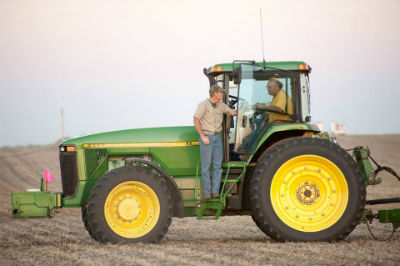
How Does a Cold Winter Affect a Growing Crop? When you were riding in your tractor this fall tilling your fields, did you consider how your tilling method could influence the conservation of your soils during the long, cold winter? If you tilled deep with a plow, you exposed a lot of black dirt making the ground prone to erosion from the freeze and thaw cycle, which leaves no residue to hold the soil in place. Your soil will move significantly less if you tilled your ground and left surface cover.

This winter has been brutal! We’ve had very high winds and limited snow coverage. Has this caused soil erosion issues? Of course it will vary from field to field, but you will see the common thread is tied directly to agronomic practices!

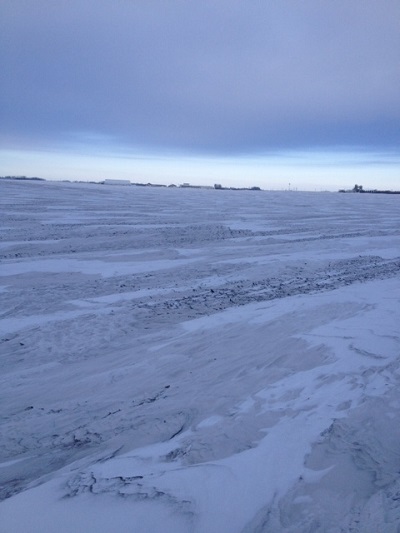
Above is a photo of a field that was vertical tilled in the fall, note the fact that snow distribution is even throughout the field and there has been a minimal amount of soil movement. This is what we want, an even playing field for snow distribution, limited soil erosion, and the right amount of surface residue!

How does this deep freeze affect frost and your soil?

This winter has also been extremely cold. How does this deep freeze affect frost and your soil? If you are looking for the frost to alleviate compaction of soils getting to a depth of 12-18” it will be more than enough to do so. Keep in mind that in the spring when you go to plant, the frost comes out of the ground in two avenues:

  1. Warmth penetrating the surface working downward into the soil.
  2. Inherit warmth from the subsoil working the frost out from below the frost line upwards and eventually meeting up with the surface penetration, thus eliminating all of the frost.

The key here is to see how deep the frost is on bare ground vs. the frost depth under sod.

The Southwest Research & Outreach Center; located just outside of Lamberton, Minnesota has two frost tubes which are read weekly throughout the winter season.  They place one tube under bare ground and the other under sod.  Click here to find out what the frost depths levels are!

This is a good time of the year to drive by your fields and identify how your fall tillage practices are influencing the conservation practices of your soils.  If a lot of black dirt has been exposed, with little surface residue, there will be a significant amount of top soil lost from the winter.  This has a lot to do with limited snow cover and high winds.  Surface residue will also play a role in ‘stand establishment’ early in the growing season in lieu of high winds and erodible soils.

What are you finding in the fields in your location?  Share with us below!
How Can You Benefit From A SWOT Plan?

SWOT PlanningSWOT is a simple system that can be used to analyze your business.
So what does SWOT stand for?
S – Strengths
W- Weaknesses
O – Opportunities
T- Threats

Reviewing each of these areas for your farm business will help you formulate better strategies. During your analysis, consider each section of SWOT with realism and try to be specific. It is worth your time!

Benefits of Using SWOT

  • Recognizing where your business can grow.
  • Understanding the possible hurdles.
  • Focusing on how to be competitive.
  • Anticipating threats and how to be proactive vs. reactive.

Internal vs. External

Strengths & Weaknesses – Both strengths and weaknesses are internal. Here is where you have the most control. Control over what crops to decide to grow, how to plant, nurture the crop during the growing season and how you sell your crop.

Opportunities & Threats – Opportunities and threats are external. They are things that you cannot change nor control; such as land for sale and at what cost, unpredictable storms, excessive rain or drought, and grain market prices.

Additional Resources

Many businesses both small and large have used SWOT. Doing an analysis such as this will give you a starting point to your individual plan. It will allow you to look at the big picture and take action by controlling what you can, reducing threats and positioning yourself to take advantage of any opportunities that come along.

Let Corn Capital Innovations assist you with creating a plan for your farm business in 2014. Contact us today!

Complacent or Compliant on Your Plan for 2014 and Beyond?

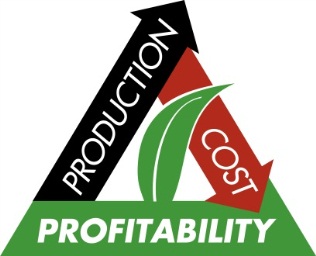
triangleBeing complacent is being satisfied with how things are and not wanting to change them. Being compliant is being willing to and agreeing to change.
The Ag Market we have experienced in the last 3-5 years, being complacent may have still worked.  In these last years the market and revenue was on an upswing, we had short crops and higher revenues.  American Farmers have experienced the biggest corn and bean crops in history, however, with the declining value (market prices) and margin potential, we must say “good-bye” to complacency and “hello” to agreeing to change and being compliant!

One of my favorite quotes is “Insanity:  doing the same thing over and over again and expecting different results.” by Albert Einstein


If we don’t quickly become compliant and start doing those things that make a difference we will not find profitability in 2014, 2015 and beyond.

What can we do?  Minimize our losses!

  • Keep an eye on your breakeven price
  • Have a proactive marketing plan in place
  • Re-invest wisely
  • Negotiate cash rent prices
  • Watch debt and take advantage of lower interest rates
  • Have a risk management plan in place
  • Most importantly, out produce those around you

With profit margins becoming tighter (crop input costs moving up and crop prices moving down) the farmers that are willing to be compliant, manage their margins, and make a plan for the future are the ones that can expect success, even in a volatile world.

Thinking about maximizing the opportunities the market gives you, keeping an eye on break evens, minimizing mistakes and healing mistakes that have been made, will put you ahead for the coming years.  A $50 mistake from the past is really like a $150 mistake now, because lost margin is creating a negative impact. Farming is a tough business and I think all business out there struggle from time to time.  How will you work through these struggles?

There are four components of profitability that are within your control:

  1. Production
  2. Crop Insurance
  3. Grain Marketing
  4. Financial Analysis

We specifically tailor these four components to each individual farming strategy.  Let us work with you to create a positive impact on your overall operation for 2014 and beyond!

Farming into 2013

Everyone is familiar with the phrase “Houston, we had a problem.”  With the recent passing of Neil Armstrong, we are reminded of some of the many great successes and challenges we’ve seen in the space program as Americans.

Apollo 13 launched on April 11, 1970 and was intended to be the third craft to land on the moon. The 3 astronauts aboard (Jim Lovell, Jack Swigert and Fred Haise) were prepared to do further exploration following the great achievements of Apollo 11 and 12. Unfortunately two days after launching, an oxygen tank failure was caused by an unlikely chain of events and Mission Control Manager Gene Krenz was responsible for coming up with a solution for the astronaut crew to get them home safely. This being the 1st time Mission Control had experienced any real problems; it created a large amount of shock for those behind the scenes. Gene stepped up to the plate and wasn’t about to give up on his team and made it clear that Failure was not an option.

I can’t help but compare this event to what we are seeing across the nation in agriculture today. With things set up so perfectly this spring, and everyone prepared for a successful year in farming, there was a sense of excitement as we planted into the nearly perfect soil conditions. But after an unlikely chain of events, with what seemed to be an impossible 2nd year drought and storms like we’ve never seen before, it changed the outlook of our mission quite quickly.

What amazed me about the Apollo 13 astronauts is how calm they are in the videos that replay this event. They are well trained professionals and are aware that their emotions have to take a back seat to the problem at hand so they can act rationally to make it through this unforeseen adventure. This was certainly a test of the trust in their team and leadership behind the project.

While we look at our own crops and those across the country, I am sure that famous phrase “Houston, we had a problem” can be appropriately used here. The question that comes into play is how prepared were we for protecting ourselves for the unforeseen? With so many aspects of farming being more volatile than ever, are you putting your emotions aside to make rational decisions moving forward? We all know the importance our crops have on the rest of the world, so it is vital that we do everything we can to protect it and continue to make strides forward as failure is not an option when it comes to feeding our nation.

As JFK talked about the missions of the NASA program, he reminded Americans that we chose to go the moon not because it’s easy, but because it’s hard. So often the greatest feats we go through in life are the hardest ones. Undoubtedly this is one the toughest years American farmers have been faced with, but with planning ahead, the right resources behind you and the right attitude success will come.  You are responsible for being the leader in your farming operation and stepping up to complete the mission, even though the expected end result has changed. So what you do next is your decision- do you move forward and learn from what happened throughout this growing season or do you stay focused on the past and continue to farm in fear?

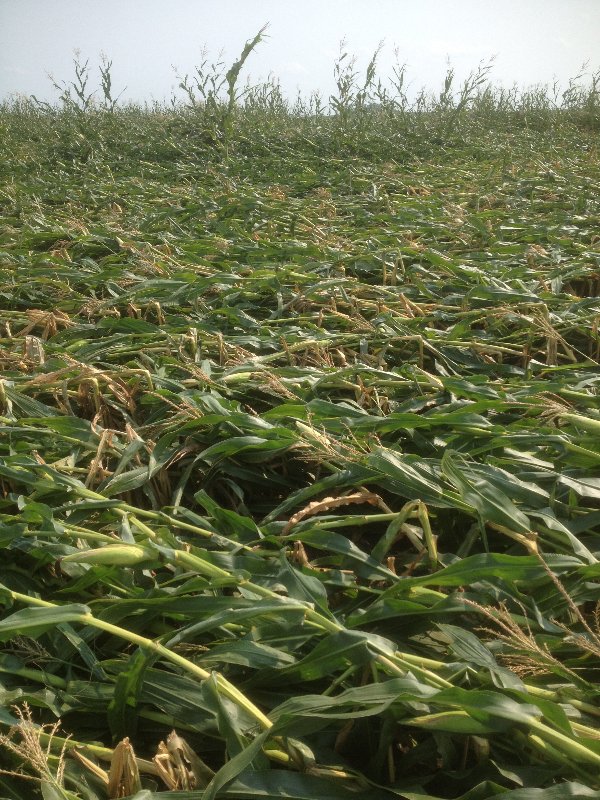
My Crop is Lost, What Do I Do?

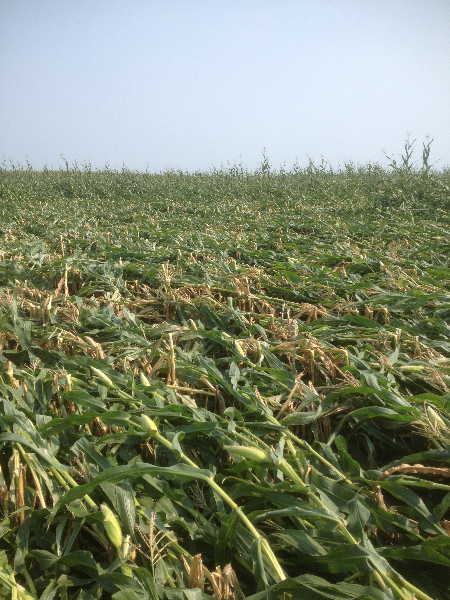
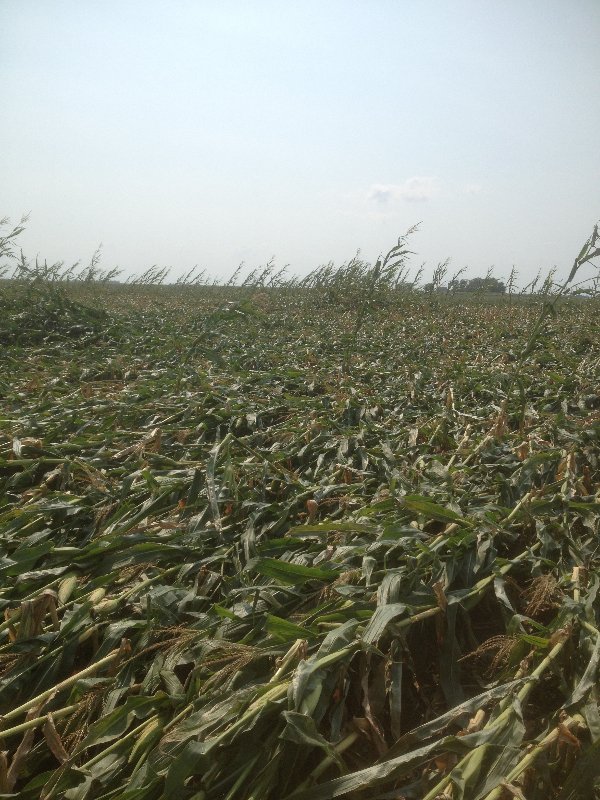
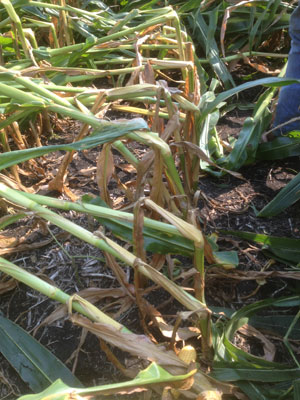
If this is your field, what are the emotions going through your mind right now?
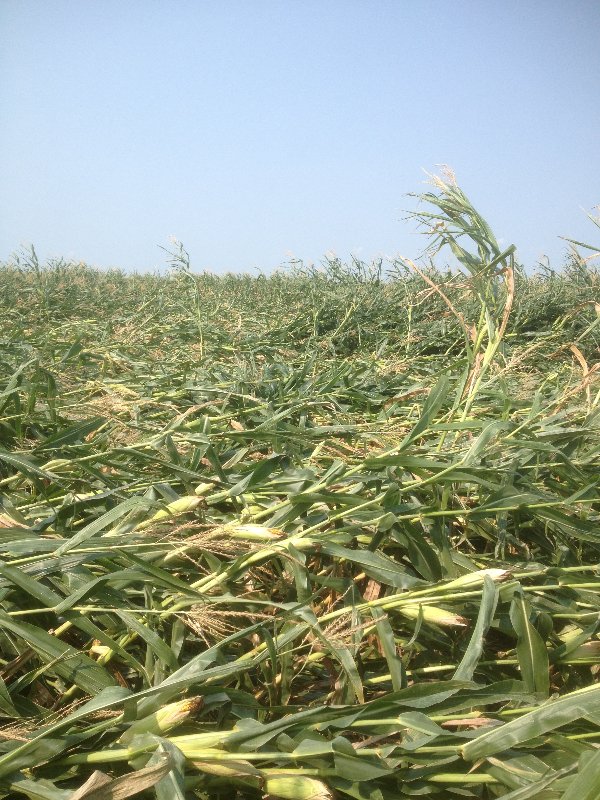
Storm Damage is both financially and emotionally stressful and we understand that; it is our job to help farmers like you plan for the best and worst scenarios.  We encourage every farmer to protect yields at all costs.

We can’t undo what Mother Nature has already done.  You have to do everything you can to get this crop processed, harvested and not to let this year’s crop influence next year’s crop.  You have to do everything in your capabilities by the end of this year to be set up for the coming year.

“Never give up on a crop unless it is damaged below the thresholds where putting additional dollars into the crop will not surpass expected crop revenues.”  says Steve O’Neill, Chief Executive Officer and Owner at Corn Capital Innovations

Is this a disaster? Yes, it’s terrible but we can plan for these types of events!  If you are asking yourself, “why me”?  You have to realize that it happens to someone every year, everywhere, in different places.   If not you this year or last year, maybe it will happen next year.  Or maybe you have already been through it?

The time to review your risk management plan is not after the damage is done!  You can’t predict the future, so be prepared!  We would like to work with you now to set up your plan for the future.

There is a popular adage often attributed to Benjamin Franklin, the father of time management, “Failing to plan is planning to fail,”

Being prepared is to make ready (Mind Set)

To put together various elements (Crop Insurance)

The condition of being prepared (Risk Management)

Not only is there volatility in weather but there is also volatility in the markets.   Corn Capital Innovations can help you with both.  Do you have a question about the risk management options available and how they can benefit you?  Leave a comment below, or contact us today.

« Previous Page
Next Page »