Mindset

How Did You Make Your 2012 Decisions?

The last 40 days have been a flurry of reaping the harvest.  Now is the time to review the decisions you made along with finalizing your 2013 cropping plans.

How did your yields respond this season on your ground and your growing environments? Did it match what you anticipated it to be at the beginning of the season? Sometimes we are all quick to react when the reality of the year did not meet our expectations or when final yields exceed our expectations?  The questions you must ask yourself is am I making decisions on concreted evidence for the next growing season that coincide with your 3-5 year yield goals, or are you reacting in the face of emotion? The two must be separated to make beneficial decisions.

We have analyzed the numbers on 200 different combines based on variables such as:

  • Different planting dates
  • Nitrogen
  • Seed selection
  • Residue from previous year
  • Plant population
  • Tillage
  • Fungicide application
  • Soil environment
  • Rain fall amounts

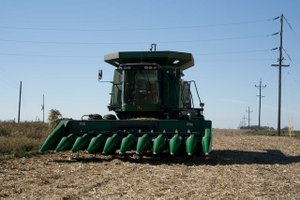
We ride combines each fall to gain the knowledge on how each specific field fared throughout the year and what type of environment was provided in each field to obtain the results that will determine your profitability. As we have received a large array of performances, what we are seeing is that it still comes down to dividing total bushels by acres to come up with realistic yield information. By reviewing the results of specific field APHs you’ll be better able to gauge if the yields are coinciding with where you need to go to increase yield levels across the entire operation.

Because we were faced with so many variables this year we found that it’s highly important to use good concrete yield data, versus 19th century production strategies of using weigh wagons to dictate your success.  The weigh wagon’s inaccuracies were proven in a year with so much variability within each field as well as variability across field locations.

It turns out that 2012 was not as bad as expected as some acres produced average and some above average yields just miles from each other.  The weather events played an obvious role in the variability of the 2012 crop. Based off of timing of the rain, wind, etc. some yields came in below expectations. The key factor to look at was that the challenges didn’t stop with just one event.

With 2012 behind us we need to be proactive for the upcoming year. Instead of looking back at what could have been, look at what we can control next year in the face of adversity. The year started out with the potential of above average yields and had Mother Nature cooperated, yields would have been even better.  Remember, we can’t control Mother Nature; we can only minimize the extent of the variables that she throws at us.

Now is the time to put together your cropping plan for 2013.   We will work with you to lay out a step-by-step plan specifically for your operation.  A solid plan will assist you for 2013 and beyond.  Let us help walk you through the variables you can control!  Contact us today at 320-523-2252.
Clear Your Mindset from 2012 – 2013 Will Be Different

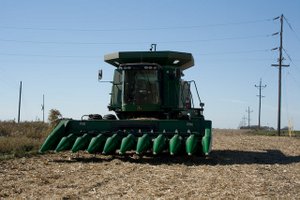
The 2013 Farming Season is already here, do you believe your combine is your first tillage pass for fall tillage in the preparation for spring?  We do!

Everything you do, right now, this fall, will impact your season for next year.  We feel the road map to success is being prepared.  Even before you combine, having a crop plan in place is the most important part of your future.

Your plan:  Consider what expectation you had going into this 2012 season.  Now that it is at the years end what you accept or don’t accept with in those expectations is how you will feel going into 2013.  Will you go into the New Year feeling positive about the 2013 crop?  Here a few possible expectations for next year’s crop.

  • Another year of drought, wind, & hail

OR

  • Weather you can work with and the potential to grow your best yields ever.

Make sure that your plan includes Risk Management, Grain Market Protection, and Crop Production.  Make sure you are in the game, ready with no surprises.  Don’t be left out of the game with many surprises, they can be expensive!

You have to expect the unexpected; after all you can’t predict Mother Nature.  So go into 2013 with a clear mind, be flexible and remember it is better to re-educate yourself on the things that are available to you (crop production, crop insurance, grain marketing, financial analysis)  versus to re-assume the decisions that you made.  Stay ahead of the curve and surround yourself with people that are positive and working with your to hit your yield goals.  You have to have a crop production plan that is based on growing the best crop possible.  Your risk management plan is for protecting against the worst case scenarios that Mother Nature will throw your way.

Contact Us or call 320-523-2252 to find out all that we can assist you with for the remainder of this year and of course 2013 as it is already upon us!

My Crop is Lost, What Do I Do?

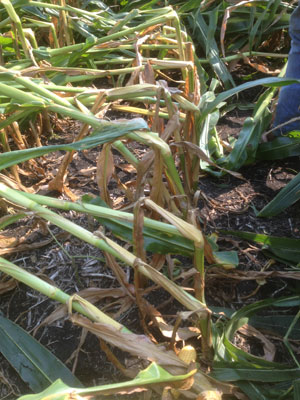
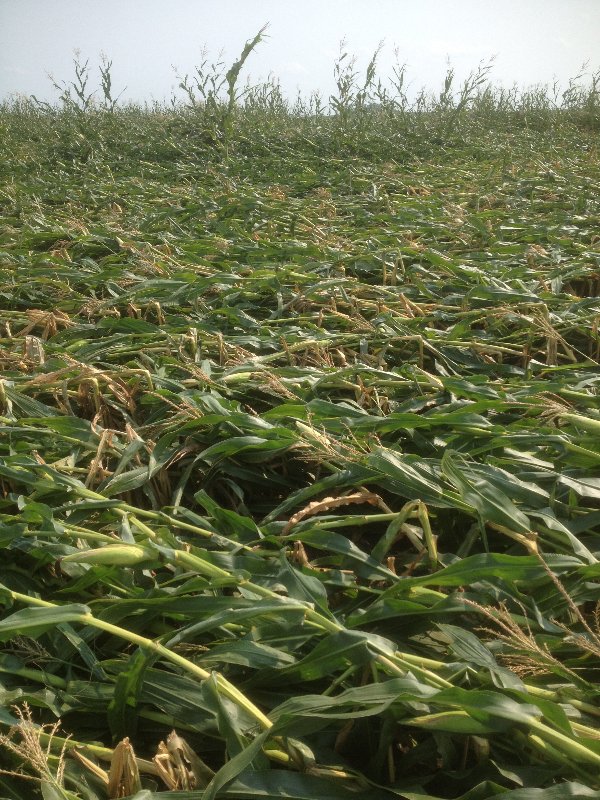
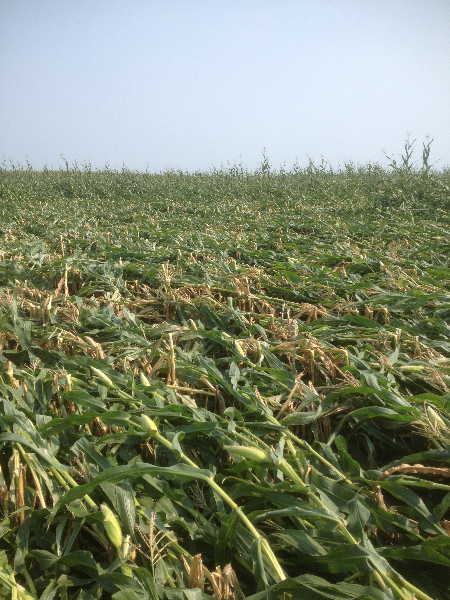
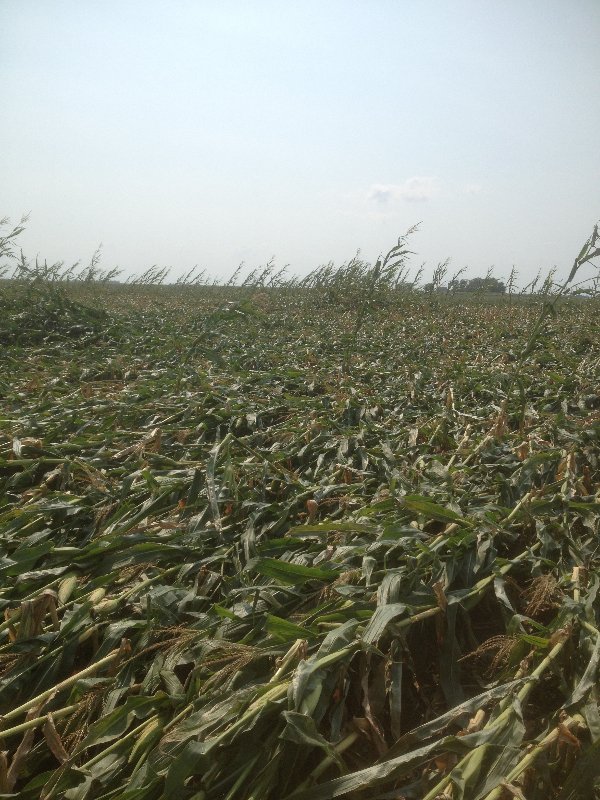
If this is your field, what are the emotions going through your mind right now?
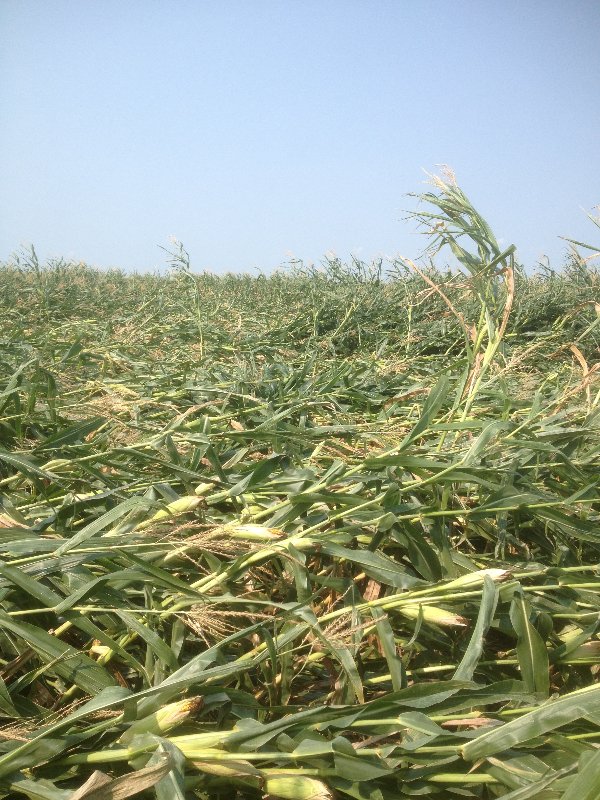
Storm Damage is both financially and emotionally stressful and we understand that; it is our job to help farmers like you plan for the best and worst scenarios.  We encourage every farmer to protect yields at all costs.

We can’t undo what Mother Nature has already done.  You have to do everything you can to get this crop processed, harvested and not to let this year’s crop influence next year’s crop.  You have to do everything in your capabilities by the end of this year to be set up for the coming year.

“Never give up on a crop unless it is damaged below the thresholds where putting additional dollars into the crop will not surpass expected crop revenues.”  says Steve O’Neill, Chief Executive Officer and Owner at Corn Capital Innovations

Is this a disaster? Yes, it’s terrible but we can plan for these types of events!  If you are asking yourself, “why me”?  You have to realize that it happens to someone every year, everywhere, in different places.   If not you this year or last year, maybe it will happen next year.  Or maybe you have already been through it?

The time to review your risk management plan is not after the damage is done!  You can’t predict the future, so be prepared!  We would like to work with you now to set up your plan for the future.

There is a popular adage often attributed to Benjamin Franklin, the father of time management, “Failing to plan is planning to fail,”

Being prepared is to make ready (Mind Set)

To put together various elements (Crop Insurance)

The condition of being prepared (Risk Management)

Not only is there volatility in weather but there is also volatility in the markets.   Corn Capital Innovations can help you with both.  Do you have a question about the risk management options available and how they can benefit you?  Leave a comment below, or contact us today.

Ag Day on May 9th, 2012 at Gilfillan Estate

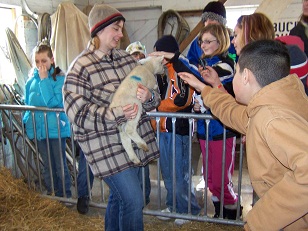
5th grade Ag Day is set for May 9th, 2012 at Gilfillan Estate

The purpose of the day is to expose 5th graders to a hands on experience of the diversity of agriculture and farming in today’s economy.   Even in our rural communities the majority of these students do not have access to farms and no longer have the opportunity to learn how Food, Fiber, Feed and Fuel are grown, cared for and delivered to our retail stores.

Students from area school districts are invited to attend.  This year we are happy to provide this opportunity to Redwood Valley, Cedar Mountain, Wabasso, BOLD school districts as well as an adopted 5th grade class room in the Twin Cities.   All five of these schools will experience and tour a poultry farm, dairy parlor, cattle feed lot, corn/soybean field as well as presentations from a sheep, alpaca, and pig farmers. And as they learn about the history of Agriculture at the Gilfillan Estate.

The Redwood Area Chamber & Tourism Ag Committee has been offering this program to Redwood Area Schools for 20+ years.  Last year we were able to reach out to 224 students in the local districts.

Corn Capital Innovations believes in the continuation of education and exposing our community to agriculture.  This event is a great step in promotion of production agriculture, and we are happy to support the Ag Committee to continue to offer such programs.

Ag Committee Members include: Joel Mathiowetz, Scott Kodet (HomeTown Bank), Kirby Josephson (Minnwest Bank), Jim Dumdei (Corn Capital Innovations), Pat Hansen (Thrivent Financial), Matt Johnson (Bremer Bank), Caleb Hinkkanen (Titan Machinery), Andy Simon (Titan Machinery), Mike Roach (Pioneer), Kevin Kvistero (USDA), Thor Kaardal (Kaardal Insurance), David Krenz (United FCS), Cori Lecy (United FCS), Jeremy Daberkow (FFA Advisor), Paul Brezina (Monsanto Pre-Foundation), Matt Samyn (Monsanto),  Mike Uhlenkamp (Uhlenkamp & Associates).

Patience is the Companion of Wisdom

“Patience is the companion of Wisdom” –  Saint Augustine

How many years have you been farming?  20? 30? 40 years?  Over those years how many times have you not been able to get the crop planted? Once? Twice?  The answer for most farmers is never.  While some years it may have not always been as early as you wanted and your crop plan might have been altered but eventually the crop does get planted.  So historically you do have the knowledge and wisdom to know that you will have time to get a crop planted.  Since you have the knowledge and wisdom then you must continue to have patience.  But as a farm boy myself I know how frustrating it is to be patient, especially as the days roll on.  It’s hard to be producer with no crop in the ground, after all this is our livelihood, it is what we were born to do.  But Patience is a Virtue in today’s farming world, especially with the 1000+ variables you have to manage throughout the growing season.

As we are at the middle of May the pressure that many of you are feeling to get your corn crop in the ground continues to grow.  But remember that you are on your own schedule, not your neighbors.  Do not let the “coffee shop” talk play a factor in your crop production plan.  The later we get in the year the more important your decisions are.  That means that your mistakes are magnified, not reduced.  Planting conditions must trump all decisions before you head into that field.  Not the date on the calendar or what neighbor Joe is doing.

Read More …

« Previous Page
Next Page »