

As the growing season continues, we have started to see some weather events that may have affected the success of our stands through: drought, excessive rainfall, hail, or wind damage. These events are bound to happen every summer but are completely unpredictable as to where they will occur, when they will occur and to what extent. Damage from weather can be extremely frustrating, but it also brings out the importance of the factors we can control in farming.
These important controllable factors are connected to the decisions made in the months prior to the growing season as well as throughout the growing season. One of the most important influences of a stand is the speed and depth at which the crop was planted. Stands planted too fast can cause an increased amount of skips and delayed emergences, which will drive down the plant per thousand count. The depth at which the seed is planted can also cause problems if it does not meet the proper depth. Tillage practices can play a big part in the success-fulness of the stands. Delayed emergences can become more prevalent if tillage practices are not effectively executed. Residue such as root balls and chopped stalks from previous growing seasons can affect root growth if left in the seed trench. Improper care for the ground may also leave tight sidewalls along the seed trench, which inhibits the seeds ability to grow strong and healthy roots.
Although unpredictable weather may seem extremely frustrating and a hindrance to success, we must continue to keep our focus on the things we can control. If we spent all of our life worrying about freak accidents that could potentially kill us, we would go nowhere in life. The same can be said about farming. Instead of focusing on the damage Mother Nature can produce, we should focus on the positive things we have done, and the things we can improve on in our journey to becoming the best growers we can be.
Reed Nelson
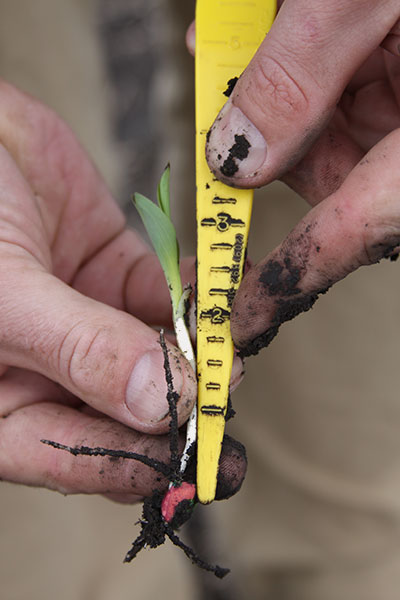 Seed Placement – What is the ideal depth to plant?
 Did you realize there are approximately 30 exhibition games before opening day for Major League Baseball teams? Spring training for the players actually begins already in February and I think most fans don’t get as excited about the pre-season as they should!
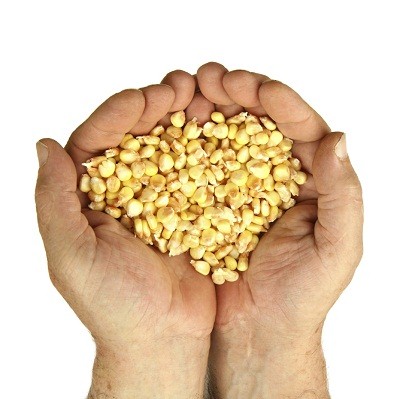 Most farmers look at the bag label for the percentage of warm germination in the seed corn. By law, this has to be applied to each bag, but often it is not the most important number to know in relation to quality. The warm germination percentage is significant, however, we have found that cold germination, as well as purity are the actual numbers you need to look at to make better decisions, if and when, you are going to plant that specific variety.